
Preventing ACL Injuries: A Comprehensive Guide

Updated: May 4
Understanding ACL Injuries and Their Impact
The ACL is a key ligament in the knee that stabilizes the joint during movement. Injuries often occur during sudden stops, changes in direction, or awkward landings. Female athletes, in particular, face a higher risk of ACL injuries due to differences in anatomy, muscle strength, and neuromuscular control.
An ACL tear can sideline an athlete for months and sometimes requires surgery. Beyond the immediate impact, it raises the risk of osteoarthritis and long-term knee instability. Preventing these injuries is crucial not only for health but also for maintaining peak athletic performance.
Research Supporting Injury Prevention Programs
Multiple studies have shown that targeted training programs can reduce ACL injury rates by up to 50%. Research published in the American Journal of Sports Medicine and Journal of Orthopaedic & Sports Physical Therapy highlights the effectiveness of neuromuscular training, strength exercises, and proper movement techniques.
Key findings include:
Neuromuscular training improves muscle coordination and joint stability.
Plyometric exercises teach athletes to land safely and absorb impact.
Strength training focuses on muscles around the knee, hips, and core.
Balance and proprioception drills enhance body awareness and control.
These elements work together to correct movement patterns that contribute to injury risk.
What Is Included in a Prevent Injury and Enhance Performance Program?
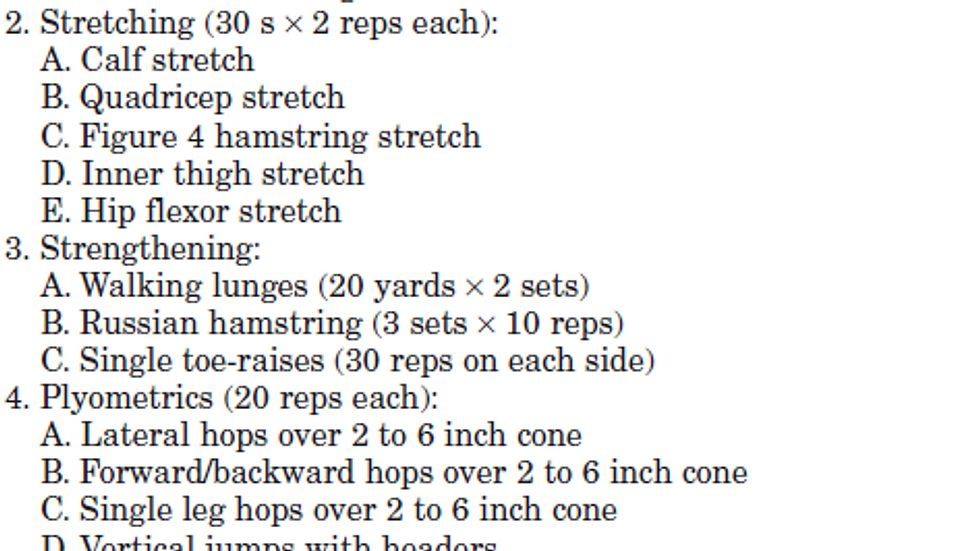
A well-rounded program designed to reduce ACL injury risk and boost performance typically includes the following components:
1. Warm-Up and Dynamic Stretching
Starting with a proper warm-up increases blood flow and prepares muscles for activity. Dynamic stretches like leg swings, lunges, and high knees improve flexibility and range of motion.
2. Strength Training
Focusing on the quadriceps, hamstrings, glutes, and core muscles helps stabilize the knee joint. Exercises such as squats, deadlifts, and hip bridges build strength and balance muscle groups.
3. Plyometric and Jump Training
Jumping and landing drills teach athletes to absorb forces safely. Examples include box jumps, single-leg hops, and drop jumps with an emphasis on soft, controlled landings.
4. Neuromuscular and Balance Training
Exercises that challenge balance and coordination improve joint stability. Using balance boards, foam pads, or single-leg stands trains the nervous system to react quickly and maintain control.
5. Technique and Movement Pattern Training
Coaches guide athletes to avoid risky movements like inward knee collapse during cutting or landing. Video feedback and drills reinforce proper alignment and body mechanics.
6. Cool-Down and Flexibility Work
Ending sessions with static stretches and foam rolling helps muscles recover and maintain flexibility.
Implementing the Program for Different Athletes
Evidence has shown that these programs can reduce risk in youth to collegiate athletes. Consistency is key: performing these exercises three times per week significantly reduces injury risk.
Coaches and trainers should emphasize proper technique and gradual progression to avoid overtraining. Educating athletes on the importance of injury prevention fosters commitment and better results.
Summary of Benefits
Reduced ACL injury risk by improving joint stability and movement control.
Improved quad strength.
Improved hamstring strength.
Improved quad to hamstring strength ratio.
Enhanced mechanics.
Athletes who commit to these programs often notice improved confidence and agility on the field or court.
The Importance of Injury Prevention in Sports
Injury prevention is not just about avoiding pain; it’s about enhancing performance. When athletes are healthy, they can train harder and compete better. This leads to greater satisfaction and success in their sports.
Building a Supportive Environment
Creating a culture that prioritizes injury prevention is essential. Coaches, parents, and athletes should work together to ensure that everyone understands the importance of these programs. Open communication can help athletes feel supported and motivated.
Personalizing the Approach
Every athlete is unique. Tailoring programs to fit individual needs can maximize effectiveness. Factors like age, sport, and physical condition should be considered when designing a training regimen.
Staying Informed
Keeping up with the latest research and trends in sports medicine can help athletes and coaches stay ahead. Attending workshops, reading articles, and engaging with professionals in the field can provide valuable insights.
Conclusion: Take Action Today
Programs designed to prevent ACL injuries and enhance performance combine strength, balance, and technique training to protect athletes and boost their abilities. By integrating these exercises into regular training, athletes can lower their risk of injury and perform at their best. Coaches and athletes should prioritize these evidence-based strategies to build safer, stronger athletes ready for competition.
If you are an athlete, coach, or parent, consider adopting a structured injury prevention program today. The investment in time and effort can pay off with fewer injuries and better performance for years to come.


Comments